

Food safety and agricultural quality control demand inspection technologies that detect defects invisible to the human eye and conventional RGB cameras. Short wave infrared camera systems operating in the 0.9–1.7 μm spectral range have emerged as the gold standard for non-destructive testing across the food supply chain. From grain sorting to fruit bruise detection, SWIR imaging reveals subsurface defects, moisture content, and foreign contaminants that determine product quality and safety.
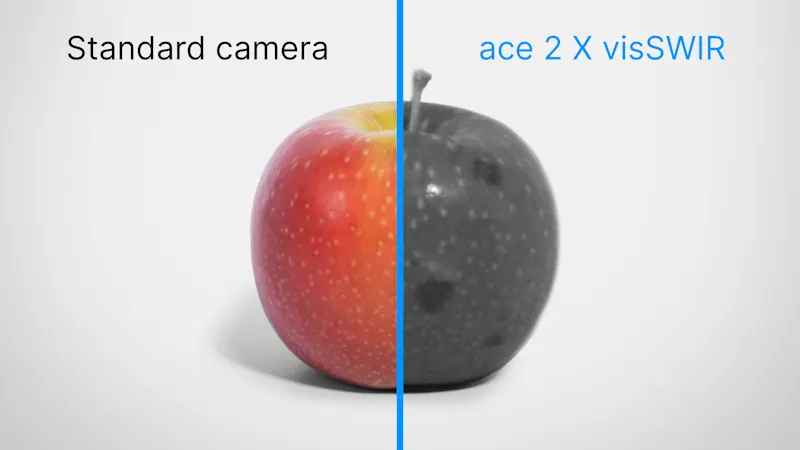
Water exhibits strong absorption peaks at 1.45 μm and 1.9 μm within the SWIR band. This molecular signature enables short wave infrared cameras to map moisture distribution with extraordinary precision — critical for detecting bruising beneath intact fruit skins, identifying dehydrated zones in vegetables, and monitoring drying processes in real time .
Unlike visible light that reflects from surfaces, SWIR penetrates several millimeters into organic tissue. This subsurface imaging capability allows early detection of internal rot, mold colonies, and insect damage before symptoms appear externally. For egg processing facilities, SWIR cameras effectively identify residual shell fragments that evade visual inspection, dramatically improving food safety outcomes .
The agricultural sector represents 30% of the global SWIR image sensor market, second only to semiconductor inspection . GHOPTO short wave infrared cameras deliver the speed and spectral sensitivity required for high-throughput sorting operations:
Grain and seed sorting: Detection of fungal contamination, moisture variation, and foreign material at conveyor speeds exceeding 3 meters per second
Fruit and vegetable grading: Automated bruise detection, ripeness assessment, and quality classification for apples, citrus, berries, and tropical fruits
Nut and dried fruit inspection: Identification of shell fragments, insect infestation, and rancidity indicators in walnuts, almonds, and raisins
Tea and coffee quality: Spectral differentiation of leaf grade, fermentation uniformity, and roast consistency
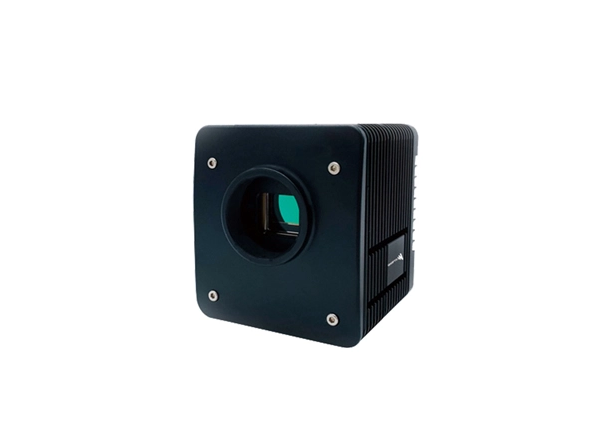
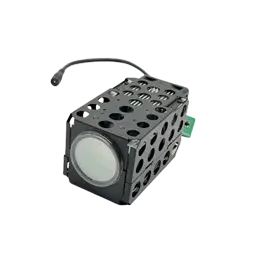
GHOPTO provides purpose-built short wave infrared cameras optimized for food and agricultural environments:
High-speed line scan: GH-SW1280-Gnet delivers 1280×1024 resolution with GigE interface for continuous web and conveyor inspection
Compact area scan: GH-SW640 series offers 640×512 resolution with USB 3.0/CameraLink for machine vision integration
Extended spectral response: Vis-SWIR options (400–1700 nm) combine visible and SWIR imaging for multi-spectral analysis
Robust enclosures: IP-rated housings withstand washdown protocols and temperature variations in processing facilities
All GHOPTO cameras feature TEC cooling for low dark current, global shutter for distortion-free imaging of moving objects, and comprehensive SDK support for seamless integration with existing sorting software.
Beyond post-harvest inspection, SWIR imaging supports precision agriculture through crop health assessment. Spectral reflectance in the SWIR band correlates with plant water stress, nutrient deficiency, and disease onset. Mounted on drones or ground vehicles, GHOPTO cameras enable farmers to identify irrigation needs, optimize fertilizer application, and detect crop stress before visible symptoms develop — improving yield while conserving water resources.
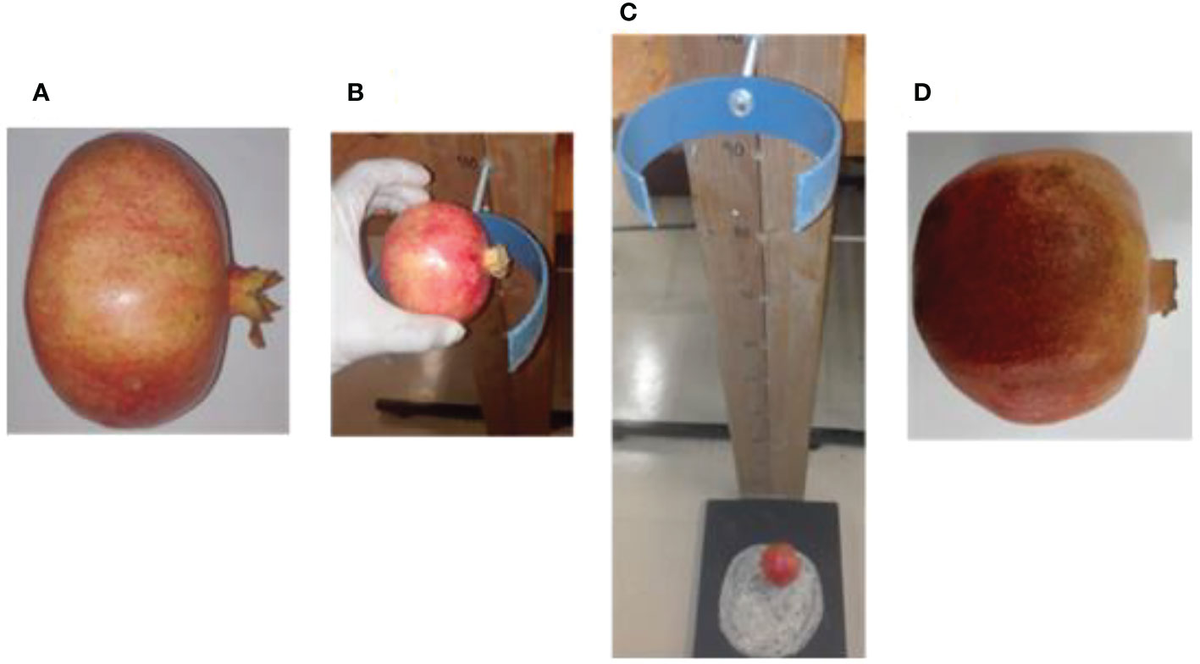
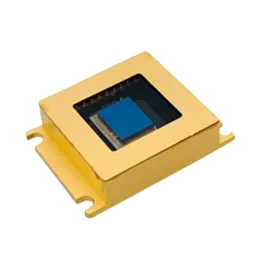
From farm to fork, short wave infrared camera technology transforms food and agricultural inspection by revealing the invisible. The unique water absorption signature in the SWIR band enables detection of moisture content, bruising, contamination, and structural defects that escape conventional imaging. GHOPTO delivers high-performance SWIR imaging solutions — from line scan systems for high-speed sorting to area cameras for detailed quality analysis — backed by in-house InGaAs sensor manufacturing and global application support. For food producers and agricultural processors seeking to enhance safety, reduce waste, and optimize quality, GHOPTO SWIR cameras provide the spectral insight required for confident decision-making.
 English
 中文
中文